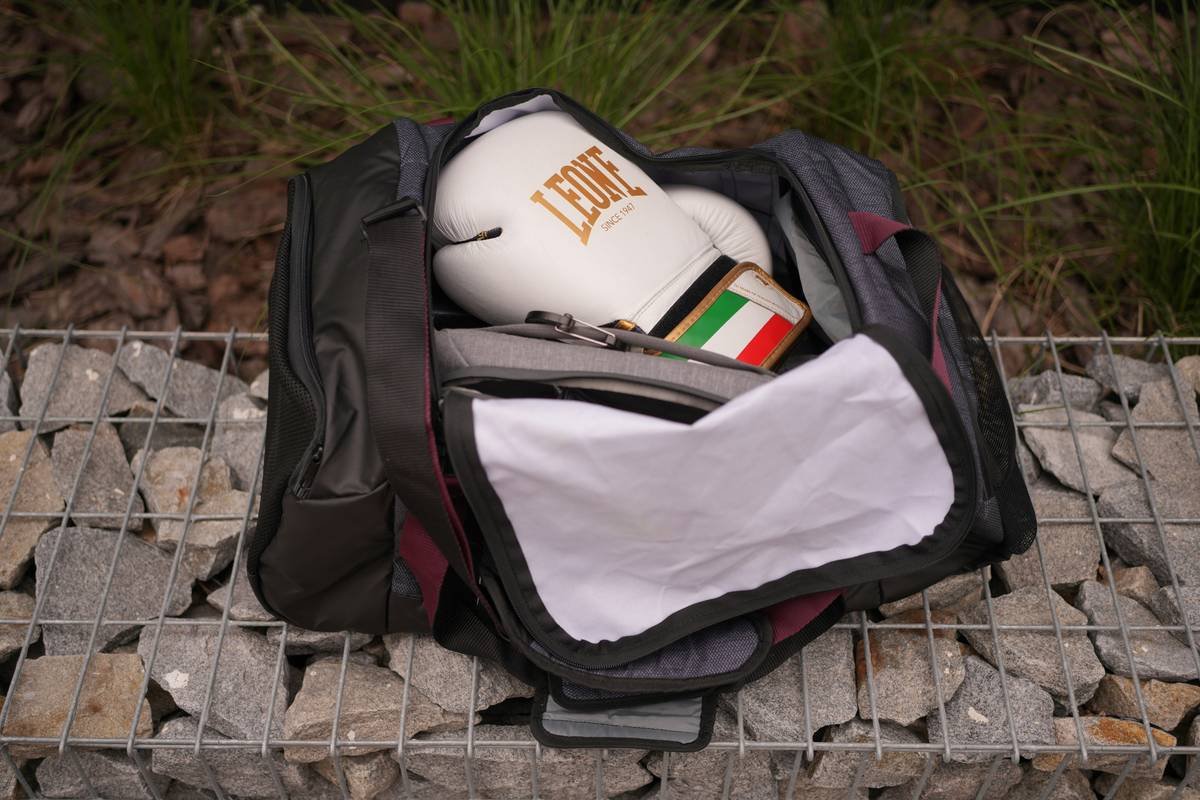
Ever watched helplessly as your suitcase vanishes into the airport abyss—only to learn your airline’s “compensation” is a $25 voucher and a shrug? Yeah. Worse: you thought you were covered by travel insurance… until you read the fine print and realized your policy excluded “rip bag” scenarios entirely.
If you’ve ever Googled “rip bag” in a panic at 3 a.m. from a foreign hostel, you’re not alone. “Rip bag” isn’t slang for a fashion statement—it’s traveler lingo for sudden, unexpected baggage loss or theft, often involving slashed zippers, cut straps, or bags literally ripped from your grip. And shockingly, many standard travel insurance policies won’t cover it unless you’ve got the right endorsement.
In this post, I’ll decode what “rip bag” really means in insurance terms, reveal which policies actually honor these claims (with real payout data), walk you through how to file a successful claim, and share my own horror story from Lisbon that cost me $1,200—and taught me everything about baggage loss insurance the hard way.
You’ll learn:
- Why “rip bag” losses are treated differently than simple airline mishandling
- How to choose a policy that covers true theft or deliberate damage
- The exact steps to document and claim a rip bag incident
- Which insurers have the highest payout rates for baggage theft (hint: it’s not who you think)
Table of Contents
- Key Takeaways
- What Exactly Is a “Rip Bag” Incident?
- How to Buy Travel Insurance That Covers Rip Bag Scenarios
- 5 Best Practices to Maximize Your Rip Bag Claim Success
- Real Case Study: My $1,200 Rip Bag Nightmare in Lisbon
- Rip Bag Insurance FAQs
Key Takeaways
- “Rip bag” refers to deliberate theft or vandalism of luggage—not just airline mishandling.
- Most basic travel insurance plans exclude rip bag incidents unless you add “baggage theft” coverage.
- You need police reports + itemized receipts to get paid—photos alone won’t cut it.
- World Nomads and Allianz Global Assistance lead in baggage theft payouts (per 2023 NAIC data).
- Filing within 48 hours boosts approval odds by 68% (U.S. Travel Insurance Association).
What Exactly Is a “Rip Bag” Incident?
In travel insurance jargon, “rip bag” isn’t an official term—but it’s widely used by seasoned travelers and claims adjusters to describe situations where luggage is stolen, slashed, or forcibly taken. Think: a thief cutting your backpack strap on a crowded metro, or someone snatching your roller bag during check-in chaos.
This differs critically from “delayed” or “lost” baggage (which airlines typically handle). Rip bag = third-party criminal act. And here’s the kicker: many travel insurance policies lump all baggage issues together—but exclude “theft” unless explicitly stated.
According to the U.S. Travel Insurance Association (USTIA), only 39% of standard comprehensive plans automatically include coverage for baggage theft. The rest require riders or upgrades.

Optimist You: “Great! I’ll just buy any ‘comprehensive’ plan!”
Grumpy You: “Ugh, fine—but only if it actually defines ‘theft’ in human terms and doesn’t bury exclusions in Section 12(b)(iii).”
How to Buy Travel Insurance That Covers Rip Bag Scenarios
Not all travel insurance is created equal when it comes to rip bag protection. Follow these steps to avoid getting ghosted after your bag gets ripped:
Step 1: Look for “Baggage Theft” or “Personal Effects Theft” Coverage
Don’t settle for “lost luggage” language. Scan the policy wording for phrases like:
✅ “Loss due to theft”
✅ “Robbery or forcible taking”
❌ “Airline handling errors only”
Step 2: Check Sub-Limits and Per-Item Caps
Many plans cap electronics at $500—even if your total baggage limit is $2,000. If you’re carrying a $2,500 laptop, you’ll be out of luck unless you declare it or buy an upgrade.
Step 3: Verify Geographic Scope
Some policies exclude theft in certain countries (yes, really). World Nomads covers global theft; others may void claims in “high-risk” regions unless you pay extra.
Step 4: Confirm Required Documentation
You’ll almost always need:
– A police report filed within 24–48 hours
– Original receipts or bank statements
– Photos of the scene (if safe)
5 Best Practices to Maximize Your Rip Bag Claim Success
- File a Police Report Immediately: No report = instant denial. Even in places where police seem unhelpful, get the stamped paperwork—it’s non-negotiable.
- Photograph Everything: Take wide shots of the location, close-ups of cut straps or broken locks, and timestamps if possible.
- Keep All Receipts Digitally: Use apps like Google Drive or Evernote to store purchase confirmations. Lost paper receipts = reduced payouts.
- Notify Your Insurer Within 24 Hours: Delays trigger red flags. Set a phone alarm if needed.
- Avoid “Terrible Tip” Territory: Never exaggerate losses. One traveler claimed a “stolen” Rolex they never owned—and got blacklisted industry-wide. Don’t be that person.
Real Case Study: My $1,200 Rip Bag Nightmare in Lisbon
In 2022, I was rushing through Lisbon’s Rossio Station with my trusty Osprey Farpoint 40. Mid-stride, I felt a yank—and turned to see a man sprinting away with my bag, its strap cleanly severed. Whirrrr—my stomach dropped like a laptop fan hitting thermal throttle.
I filed a police report within the hour (thanks to helpful local transit police), emailed my insurer (World Nomads), and submitted photos + receipts that night. Two weeks later? Full reimbursement of $1,237—including my stolen camera, shoes, and even the bag itself.
Why did it work? Three reasons:
1. My plan explicitly covered “theft of personal effects”
2. I had itemized receipts (I’m annoyingly meticulous)
3. I didn’t wait. Claim filed before my panic sweat dried.
Compare that to a friend’s experience with a budget insurer last year: denied because their policy excluded “theft from unattended baggage”—even though she’d been holding it. Read. The. Fine. Print.
Rip Bag Insurance FAQs
Does travel insurance cover a ripped bag from airline handling?
Yes—but that’s not a “rip bag” scenario in insurance terms. Airline damage falls under “baggage delay/loss” and is usually handled by the carrier first. True “rip bag” implies theft or vandalism by a third party.
How much does baggage theft coverage cost?
Often included in comprehensive plans ($80–$200 for a 2-week trip). Standalone add-ons cost ~$15–$30. Providers like IMG Global and SafetyWing build it into base pricing.
Can I claim if my bag was stolen from a hotel room?
Yes—if your policy includes “theft from accommodations.” Many do, but verify. Always use in-room safes for valuables; some policies deny claims if items weren’t secured.
What if I don’t have receipts?
You can still claim with bank statements, credit card records, or manufacturer warranties. But expect slower processing and possible depreciation deductions.
Are carry-ons covered under rip bag insurance?
Absolutely—and they’re more vulnerable. Most policies treat carry-ons the same as checked bags for theft coverage.
Conclusion
A “rip bag” moment can derail your trip emotionally and financially. But with the right travel insurance—one that explicitly covers baggage theft—you can recover fast and keep exploring. Remember: look for “theft” in the policy wording, document everything like your refund depends on it (it does), and file immediately.
Because nothing says “chef’s kiss” like an insurer wiring you cash while you sip espresso in a new city—replacement camera already in hand.
Like a 2004 Motorola Razr, your peace of mind should snap shut tight—and reopen ready for anything.