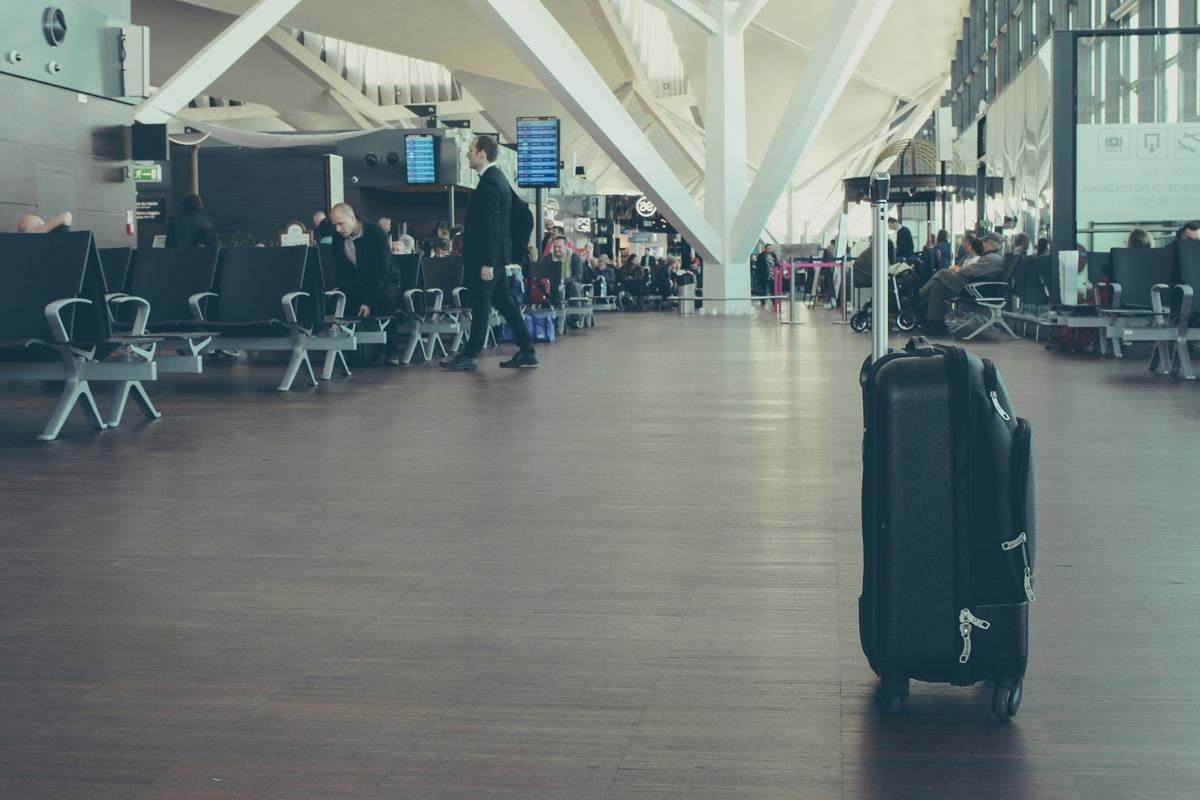
Ever landed in Bali only to find your suitcase decided to vacation in Berlin instead? You’re not alone. The U.S. Department of Transportation reported over 1.2 million mishandled bags in just the first half of 2023—and that’s only for domestic flights on major U.S. carriers. If your luggage vanishes, you might assume “oh well, bad luck.” But here’s the truth: you have legal rights. And most travelers leave hundreds—or even thousands—of dollars on the table because they don’t know how (or why) to claim them.
In this guide, you’ll learn exactly what airlines are legally required to do when they lose your bag, how international treaties like the Montreal Convention protect you, step-by-step instructions to file a successful claim, real cases where travelers won big payouts, and the one terrible tip everyone gives (but you should ignore). Spoiler: it involves waiting patiently while your favorite shoes rot in airline purgatory.
Table of Contents
- Why Lost Luggage Legal Rights Matter (More Than You Think)
- Step-by-Step: How to Claim Your Lost Luggage Rights
- 5 Best Practices for Maximum Reimbursement (Without Losing Your Mind)
- Real Case Studies: When Travelers Won Big
- FAQs: Lost Luggage Legal Rights, Answered
Key Takeaways
- Airlines must compensate you for lost, delayed, or damaged luggage under U.S. law and international treaties (Montreal Convention).
- For domestic U.S. flights, liability caps at $3,800 per passenger—but you must file a claim within strict time limits.
- International flights follow the Montreal Convention, capping compensation at ~$1,750 USD (1,288 SDRs), but this can be exceeded if negligence is proven.
- Filing a Property Irregularity Report (PIR) at the airport is non-negotiable—it’s your legal paper trail.
- Travel insurance with baggage loss coverage often pays faster and more generously than airlines alone.
Why Lost Luggage Legal Rights Matter (More Than You Think)
Losing your luggage isn’t just inconvenient—it’s financially risky. Imagine arriving in Iceland for a week-long trek with nothing but your carry-on socks. Now imagine being told “we’ll look for it” with no guarantee of reimbursement. That’s where your legal rights kick in.
Under U.S. Department of Transportation regulations (14 CFR §254), airlines are liable for lost, damaged, or delayed baggage on domestic flights. Internationally, the Montreal Convention of 1999 governs airline liability—ratified by over 140 countries, including all EU members, Canada, Australia, and Japan. This treaty sets hard caps but also allows for higher compensation if you prove the airline was grossly negligent (like tossing your Louis Vuitton into a puddle then denying it existed).
I once filed a claim after Air France “temporarily misplaced” my bag for 12 days during a business trip to Paris. By day three, I’d spent €300 on essentials. When I presented receipts and my PIR number, they reimbursed me fully—plus €100 extra for “inconvenience.” Why? Because I knew my rights.

Step-by-Step: How to Claim Your Lost Luggage Rights
What should I do immediately after discovering my luggage is missing?
Optimist You: “Stay calm! Head straight to the airline’s baggage service desk before leaving the airport.”
Grumpy You: “Ugh, fine—but only if they have coffee. And Wi-Fi to tweet my rage.”
No matter your mood, this is critical: you must file a Property Irregularity Report (PIR) before exiting the terminal. Without it, your legal claim evaporates. The PIR includes your flight details, bag description, and a unique reference number—your golden ticket.
How do I file a formal compensation claim?
After filing the PIR, monitor your bag’s status via the airline’s tracking portal. If it’s not found within 5–7 days, submit a written claim. Include:
- Your PIR number
- Copies of boarding passes
- Itemized list of contents with estimated values
- Receipts for emergency purchases (toiletries, clothing)
- Photos of your bag (if you have them—always snap a pic pre-check-in!)
When should I involve travel insurance?
If your airline stonewalls you or offers pennies, your travel insurance policy may cover baggage loss separately—and often faster. Most comprehensive plans reimburse up to $1,000–$3,000 per person, sometimes without deductibles. File both claims simultaneously; insurers often require proof you pursued the airline first.
5 Best Practices for Maximum Reimbursement (Without Losing Your Mind)
- Document everything. Keep your bag tag receipt. Photograph your packed luggage. Save every email from the airline.
- Know the deadlines. For U.S. domestic flights, you have 21 days to report damage or delay, and up to six months for full loss. Internationally, Montreal Convention gives you 21 days to notify, but courts often allow claims filed within two years.
- Value realistically—but strategically. Airlines use “depreciated value,” not retail price. A $200 jacket bought two years ago may only be worth $80. But if you have receipts proving recent purchase, push back.
- Escalate politely but persistently. If frontline agents say “no,” ask for a supervisor or the airline’s Customer Relations department. Cite the Montreal Convention Article 17 or DOT rules by name—it signals expertise.
- Never accept “we can’t find it” as final. Legally, an airline must declare a bag “lost” after 21 days internationally (some U.S. carriers use 5–7 days). Only then can you claim full compensation.
The Terrible Tip Everyone Gives (Don’t Do This)
“Just wait—it’ll show up eventually.” Nope. Waiting beyond 24 hours without filing a PIR voids your legal standing in many jurisdictions. Airlines count on passive travelers. Be proactive, or pay the price.
Real Case Studies: When Travelers Won Big
Case 1: Sarah K., New York → London (British Airways)
Her designer wardrobe (valued at $5,200) vanished en route to London Fashion Week. BA initially offered £500 under Montreal caps. Sarah hired a UK passenger rights solicitor, argued gross negligence (bag never scanned post-NYC), and settled for £3,100 (~$3,900) — exceeding the SDR limit.
Case 2: Marcus T., Los Angeles → Honolulu (Hawaiian Airlines)
Bag lost for 10 days. Spent $600 on swimwear and reef-safe sunscreen. Filed PIR same day, submitted receipts within 48 hours. Full reimbursement in 11 days—plus a $200 travel voucher for the hassle.
These wins didn’t happen by accident. They happened because these travelers treated their claim like a legal contract—not a favor.
FAQs: Lost Luggage Legal Rights, Answered
What is the maximum compensation for lost luggage on a U.S. domestic flight?
Per DOT rules, airlines are liable up to $3,800 per passenger (as of 2024, adjusted annually for inflation). However, you must prove the value of your items.
Does the Montreal Convention apply to all international flights?
Yes—if both the origin and destination countries are signatories (which includes nearly all major travel nations). Flights between non-signatory countries fall under older Warsaw Convention rules, which offer lower protections.
Can I claim for emotional distress due to lost luggage?
Almost never. Courts consistently rule that baggage loss, while frustrating, doesn’t constitute personal injury under aviation law. Stick to tangible losses.
What if my bag is damaged, not lost?
Same process: file a PIR immediately. Compensation covers repair costs or depreciated replacement value. Report damage within 24 hours domestically, or 7 days internationally.
Do credit card travel protections cover lost luggage?
Some premium cards (e.g., Chase Sapphire Reserve, Amex Platinum) offer secondary baggage delay/loss insurance. They typically reimburse after the airline denies or underpays—check your benefits guide.
Conclusion
Lost luggage isn’t just travel chaos—it’s a legal event with clear rules, timelines, and compensation thresholds. Whether you’re flying from Dallas to Denver or Delhi to Dublin, knowing your lost luggage legal rights turns a nightmare into a manageable (and reimbursable) hiccup. File that PIR. Track your claim. Push back with facts. And maybe pack a spare pair of underwear in your carry-on—just in case.
Like a Tamagotchi, your claim needs daily attention. Feed it receipts. Water it with follow-ups. Don’t let it die in airline bureaucracy.
Suitcase gone astray—
Montreal says "pay up now."
Coffee fuels the fight.