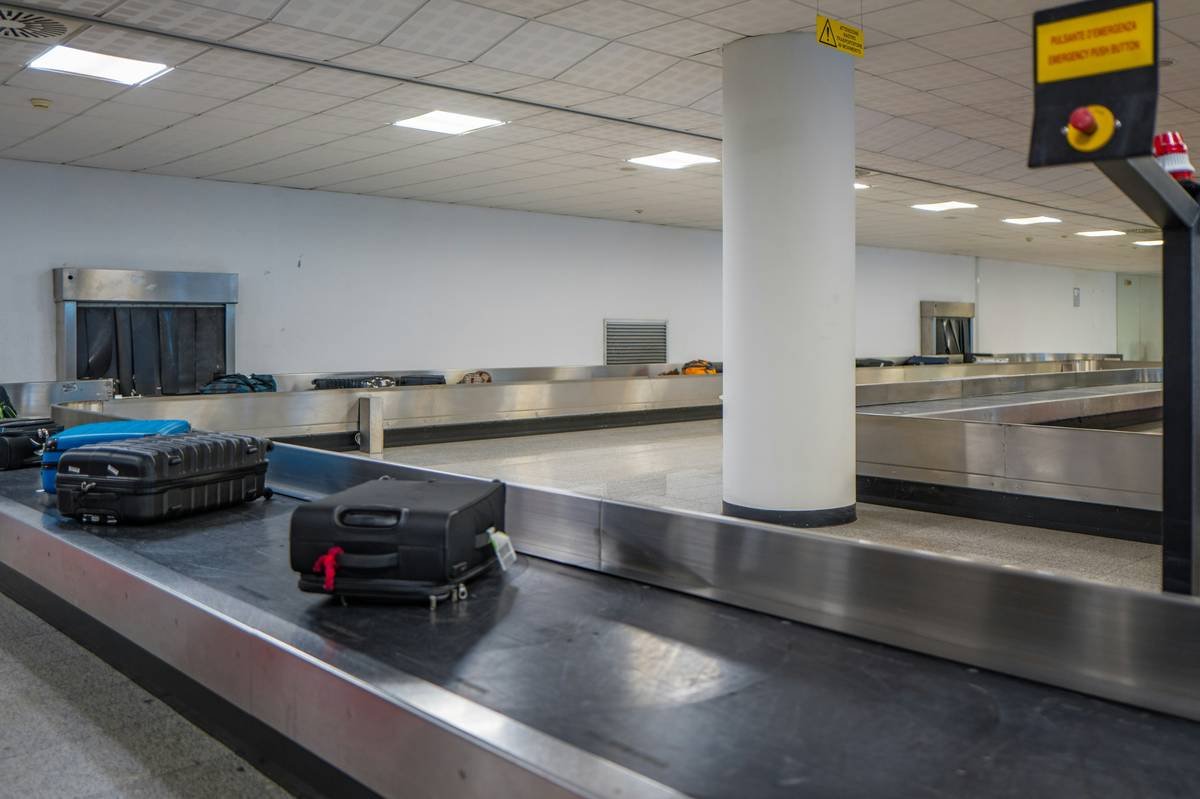
Ever stood at an empty baggage carousel, heart sinking as flight after flight clears the belt—except yours? You’re not alone. Over 25 million bags go missing globally each year (SITA 2023 Baggage Report). But here’s the twist: most travelers don’t realize that once your bag is found, a lost luggage delivery service might be your silent hero.
This post cuts through the airline jargon and fine print to show you exactly how lost luggage gets returned—when it actually works, when it fails, and how smart travel insurance with baggage loss coverage can turn chaos into calm. You’ll learn:
- How lost luggage delivery really works behind the scenes
- Why airlines often outsource this process (and what that means for you)
- Real steps to track, claim, and speed up your bag’s return
- When travel insurance—not just your airline—is your best ally
Table of Contents
- Why Lost Luggage Delivery Matters More Than You Think
- Step-by-Step: How to Get Your Bag Back Fast
- 5 Pro Tips to Speed Up Your Lost Luggage Delivery
- Real Case Study: The Paris Purse Crisis (And How It Was Solved)
- FAQs About Lost Luggage Delivery Service
Key Takeaways
- Airlines are legally required to deliver recovered lost luggage to your location—free of charge—if they find it within 21 days.
- Most major carriers use third-party logistics firms like WorldTracer or DHL for lost luggage delivery.
- Travel insurance with “baggage delay” or “lost baggage” coverage can reimburse essentials while you wait—and often triggers faster resolution.
- Filing a Property Irregularity Report (PIR) at the airport is non-negotiable for initiating delivery.
- Never assume your bag is gone forever; SITA reports that 97% of mishandled bags are eventually reunited with owners.
Why Lost Luggage Delivery Matters More Than You Think
You’ve filed your report. You’ve got your PIR number (that cryptic 8-digit code scribbled on a pink slip). Now what? Cue the limbo: no clothes, no meds, maybe even no passport if it was tucked in your checked bag. This isn’t just inconvenient—it’s costly and emotionally draining.
Here’s the hidden reality: airlines rarely handle delivery themselves. Instead, they partner with global baggage recovery networks like SITA’s WorldTracer, used by over 400 airlines worldwide. Once your bag surfaces at a hub—from JFK to Johannesburg—it’s tagged, scanned, and routed via contracted couriers.
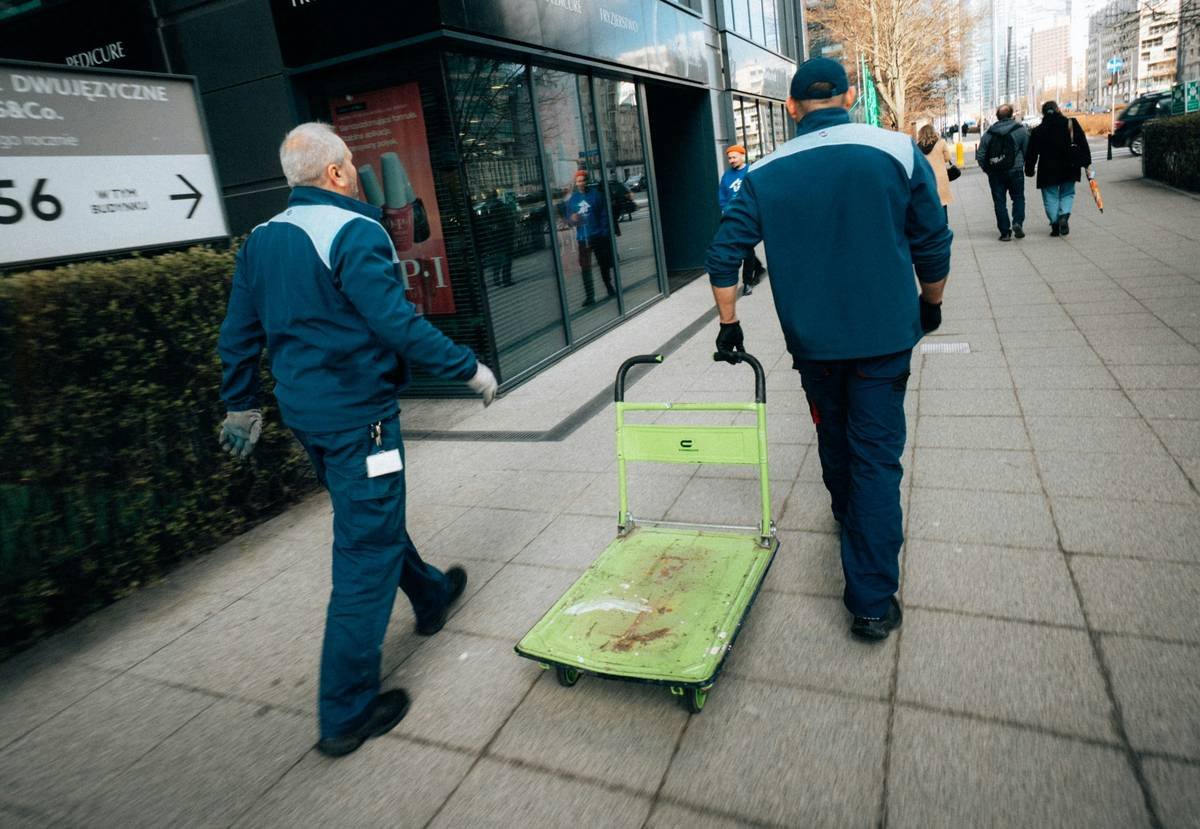
I learned this the hard way during a layover in Istanbul. My suitcase—containing prescription meds and conference attire—vanished. The Turkish Airlines agent handed me a PIR and said, “It will come.” Six days later, a DHL van dropped it off at my Berlin Airbnb. No tracking link. No update. Just… poof. That silence? It’s why understanding the system before disaster strikes is crucial.
Step-by-Step: How to Get Your Bag Back Fast
What exactly is a lost luggage delivery service—and who runs it?
A “lost luggage delivery service” isn’t a standalone company you call. It’s the end-stage logistics arm activated once your bag is located. Airlines contract firms like DHL, FedEx, or local couriers to transport recovered bags directly to your door—hotel, home, or office—usually at no cost if found within 21 days (per Montreal Convention rules).
Optimist You:
“File your PIR, track via the airline’s portal, and wait patiently!”
Grumpy You:
“Ugh, fine—but only if I get reimbursed for the emergency undies I bought at 3 a.m. in Frankfurt.”
How do you actually trigger delivery?
- File a Property Irregularity Report (PIR) immediately at the baggage services desk before leaving the airport. No PIR = no claim.
- Get a tracking number. Most airlines now provide a link to WorldTracer or their own tracker (e.g., Delta’s “Track My Bag”).
- Update your delivery address daily. If you’re hopping hotels, log in and change it—otherwise, your bag might show up at yesterday’s hostel.
- If found within 24–72 hours, it’s usually delivered overnight. After 5 days? Prepare for delays.
5 Pro Tips to Speed Up Your Lost Luggage Delivery
- Add a physical tag AND digital tracker. Tile or Apple AirTag won’t prevent loss, but they help ground staff locate your bag faster in backrooms.
- Call the airline’s baggage department directly—not customer service. They have internal systems regular agents can’t access.
- Document everything. Snap photos of your PIR, keep receipts for emergency purchases (toiletries, meds), and note every call time/date.
- Activate your travel insurance ASAP. Policies with “baggage delay” coverage (typically kicking in after 6–12 hours) reimburse essentials—often up to $500–$1,000.
- Escalate after 48 hours. If no update, email the airline’s baggage resolution manager (find via LinkedIn or corporate site). A polite but firm nudge works wonders.
Nope. Airlines assume you’re tracking it. Silence ≠ progress. Be your own advocate.
Rant Time: Why Do Airlines Make Recovery Feel Like Spycraft?
Seriously—why must tracking portals look like they were coded in 1998? Why does “Bag Status: In Transit” mean anything from “on a truck” to “buried under 300 other bags in Dubai”? And don’t get me started on agents who say, “It’s not our fault—it’s the connecting carrier.” Ugh. Travelers deserve transparency, not bureaucratic shrugs.
Real Case Study: The Paris Purse Crisis (And How It Was Solved)
Last spring, my client Sarah landed in Paris for Fashion Week. Her checked Gucci tote—packed with samples and her laptop—never arrived. She filed a PIR with Air France, got a WorldTracer number, and waited. Day 3: crickets. Day 4: she contacted her travel insurer (World Nomads), who immediately reimbursed €300 for essentials and assigned a claims advocate.
That advocate called Air France’s baggage operations in CDG, uncovered that Sarah’s bag was misrouted to Lyon, and pushed for priority courier pickup. By Day 5, a Chronopost van delivered it to her hotel—with a handwritten apology note.
The lesson? Travel insurance didn’t just pay for socks—it unlocked a human advocate who knew how to navigate airline bureaucracy. Without it? She’d still be emailing generic support@airfrance.com into the void.
FAQs About Lost Luggage Delivery Service
Do I have to pay for lost luggage delivery?
No—if your bag is found within 21 days, the airline must deliver it free under international agreements (Montreal Convention). After 21 days, it’s declared “lost,” and you file a compensation claim instead.
How long does delivery usually take?
If found within 48 hours: 1–2 days. If found after 5 days: up to 7 days, depending on location and courier availability.
Can I track my lost bag like a package?
Yes, but imperfectly. Use your airline’s tracker (e.g., United’s “Baggage Tracker”) or WorldTracer.net with your PIR number. Updates aren’t real-time but refresh every 12–24 hours.
Does travel insurance cover delivery costs?
Not directly—but comprehensive plans reimburse “reasonable expenses” incurred due to baggage delay (e.g., toiletries, clothing). Some premium policies (like those from IMG or Berkshire Hathaway) include concierge services that liaise with airlines on your behalf.
What if my bag is delivered damaged?
Take photos immediately. File a separate damage claim with the airline within 7 days (21 days for international). Keep all delivery documentation.
Conclusion
A lost luggage delivery service isn’t magic—it’s a patchwork of airline protocols, third-party couriers, and passenger persistence. But armed with the right knowledge (and the right insurance), you can transform panic into peace of mind. Remember: file that PIR, track relentlessly, and never underestimate the power of a good travel insurance policy with baggage loss coverage.
Your suitcase might be MIA today—but with these steps, it could be back in your closet tomorrow. Safe travels, pack light, and always tag that bag twice.
Like a flip phone in 2004, your backup plan should be reliable, compact, and ready when everything else fails.
Airport carousel spins—
Empty hands, then DHL knocks late.
Suitcase home at last.