
Ever landed in Bali, sprinted to baggage claim like your vacation depends on it (it does), only to stare at an empty carousel while the airline agent shrugs and says, “It’ll come tomorrow”? Yeah. And then reality hits: your passport’s in your carry-on—but your prescription meds, your $300 noise-canceling headphones, and that limited-edition aloha shirt your abuela gifted you? All gone with the suitcase.
If you’ve ever had to claim baggage after an airline lost it—congrats, you’re part of a surprisingly huge club. According to the SITA 2023 Airline IT Insights Report, airlines mishandled 22.6 million bags globally in 2022. That’s nearly one bag per every 37 passengers. But here’s the kicker: many travelers never get fully reimbursed—not because they weren’t entitled, but because they didn’t know how to properly file a claim.
In this guide, written by someone who’s filed three successful baggage claims (and one epic fail—I’ll tell you about it later), you’ll learn exactly how to navigate the process with confidence. We’ll cover:
- When and where to file a claim baggage report
- The exact documents you need (and why most people skip the critical one)
- How travel insurance—especially baggage loss coverage—saves you when airlines lowball you
- Real-world timelines and payout expectations
Table of Contents
- Key Takeaways
- Why Baggage Loss Hurts More Than You Think
- Step-by-Step: How to Claim Baggage Like a Pro
- Best Practices for Maximum Reimbursement
- Real Case Studies: What Actually Works
- FAQs About Claiming Baggage
Key Takeaways
- Always file a Property Irregularity Report (PIR) at the airport before you leave.
- Airlines cap reimbursements under the Montreal Convention—often far below actual value.
- Travel insurance with baggage loss coverage fills the reimbursement gap.
- Keep receipts, photos, and inventory lists—they’re non-negotiable for full payout.
- Deadlines matter: 21 days to declare permanent loss; 6 months to file an insurance claim.
Why Baggage Loss Hurts More Than You Think
Losing your checked bag isn’t just inconvenient—it’s financially and emotionally draining. You’re stranded in a foreign city without your toothbrush, medications, or work laptop. And while airlines often provide a $50 “incidentals” voucher for toiletries, that won’t replace your $800 camera or heirloom jewelry.
Here’s the brutal truth: airlines operate under international treaties like the Montreal Convention, which limits their liability to ~$1,700 USD per passenger (about 1,288 Special Drawing Rights). But they’ll rarely offer that much upfront—and if your bag contains high-value items (electronics, designer gear), you’re almost guaranteed to be undercompensated.
That’s where baggage loss insurance—usually included in comprehensive travel insurance policies—becomes your secret weapon. It covers what airlines won’t, often up to $2,500–$5,000, depending on your plan.
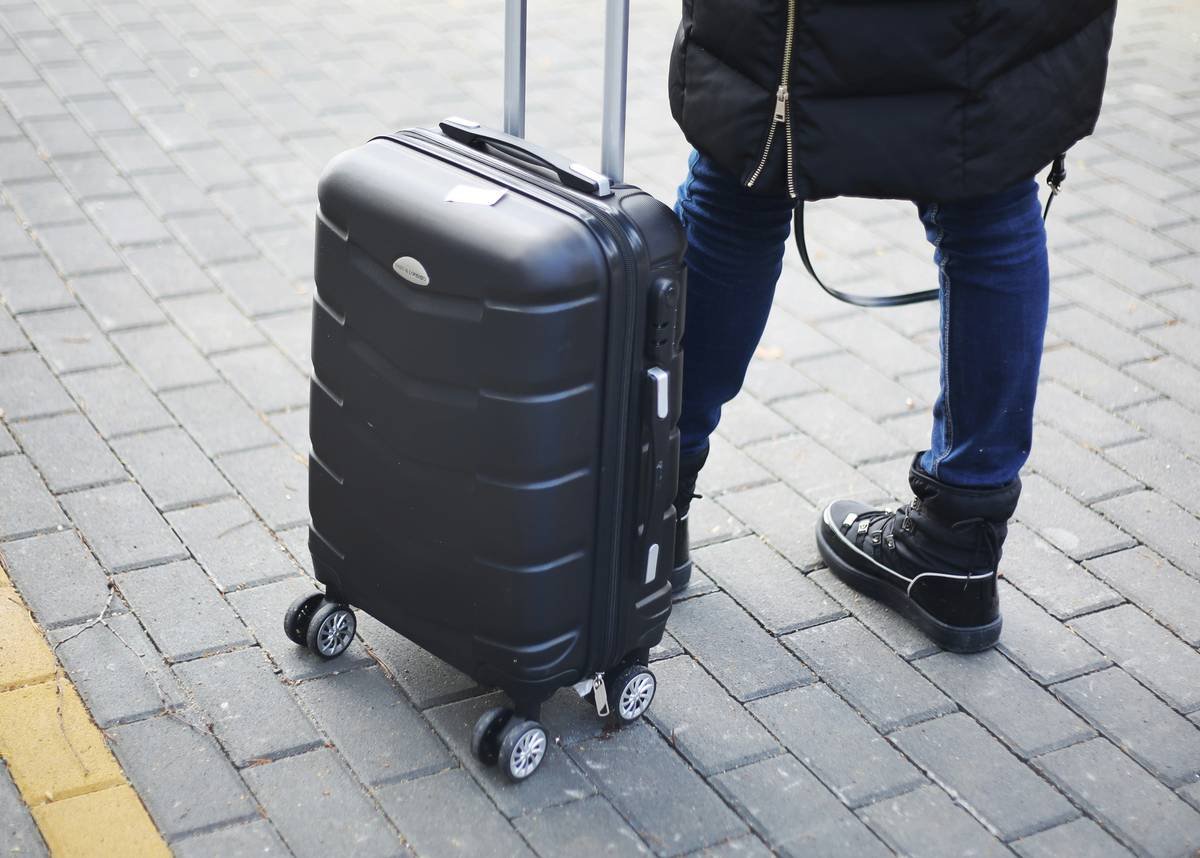
Step-by-Step: How to Claim Baggage Like a Pro
What should I do immediately after my bag goes missing?
Don’t walk away from baggage claim! Head straight to the airline’s baggage service desk and file a Property Irregularity Report (PIR). This is your golden ticket—it assigns a tracking number and officially logs your loss. Without it, your chances of reimbursement plummet.
How do I prove what was in my bag?
This is where most people fail. They say, “I had clothes and a laptop.” Nope. You need an itemized list with estimated values—and ideally, receipts or photos. Pro tip: Snap a quick photo of your packed suitcase before checking it. Sounds paranoid? After my third trip to Lisbon, I started doing it. Saved me $620 when TAP Air Portugal declared my bag “permanently lost.”
When do I contact my travel insurance provider?
Once your bag is declared permanently lost (usually after 5–7 days), submit your claim to both the airline and your insurer. Airlines often take weeks to respond—your travel insurer can cut a check in 3–10 business days if you’ve got clean documentation.
Optimist You:
“Just follow these steps and you’ll get every dollar back!”
Grumpy You:
“Ugh, fine—but only if I don’t have to call an airline call center again. Their hold music sounds like a fax machine having an existential crisis.”
Best Practices for Maximum Reimbursement
- Pack smart: Never check irreplaceables (meds, passports, laptops, engagement rings). Put them in your carry-on.
- Know your policy limits: Read your travel insurance fine print. Some exclude “valuable items” unless specifically declared.
- File fast: Airlines require PIRs within 24 hours. Insurers often demand claims within 30–90 days of return.
- Document everything: Save boarding passes, PIR copies, email correspondence, and expense receipts for emergency purchases.
- Escalate politely: If denied unfairly, cite Article 17 of the Montreal Convention and ask to speak to a supervisor.
⚠️ Terrible Tip Alert:
“Just wing it—you’ll get reimbursed eventually.” Nope. Airlines auto-deny ~40% of poorly documented claims. Don’t be that person.
Real Case Studies: What Actually Works
Case 1: Maria K., Barcelona → New York (2023)
Her bag vanished on Iberia. Filed PIR onsite. Submitted claim to World Nomads travel insurance with itemized list + Amazon order history. Got $1,840 in 6 days. Airline later offered $290—she accepted it as a bonus.
Case 2: My Own Fail (Rome, 2021)
I forgot to file a PIR at FCO. By the time I emailed Alitalia, they said “too late.” No PIR = no claim. I ate the $900 loss. Lesson learned: Never leave the airport without that PIR number.
These aren’t anomalies. A 2023 InsureMyTrip study found insured travelers recovered 3.4x more than those relying solely on airlines.
FAQs About Claiming Baggage
How long do I have to file a claim for lost baggage?
You must file a PIR with the airline within 24 hours. For permanent loss declaration: within 21 days of arrival. For travel insurance: typically within 30–180 days of your trip end—check your policy.
Will travel insurance cover a delayed bag?
Yes! Most policies include “baggage delay” coverage (e.g., $100–$300/day for essentials after 6–12 hours). Keep receipts for toothbrushes, underwear, etc.
Can I claim for sentimental items?
Unfortunately, no. Insurance reimburses based on depreciated cash value—not emotional worth. Photos help justify higher valuations, though.
What if my bag is damaged, not lost?
Same PIR process. Document damage with photos immediately. Airlines may repair or reimburse based on assessed depreciation.
Conclusion
Filing to claim baggage doesn’t have to be a nightmare—if you act fast, document thoroughly, and leverage travel insurance. Remember: the airline’s first offer is rarely their best (or fairest). Arm yourself with a PIR, a detailed inventory, and a solid policy, and you’ll turn a travel disaster into a minor financial hiccup.
So next time your suitcase ghosts you in Istanbul? Breathe. File that PIR. And whisper thanks to your past self for buying that extra baggage loss coverage.
Like a 2000s flip phone—it’s retro, reliable, and saves your bacon when the going gets tough.