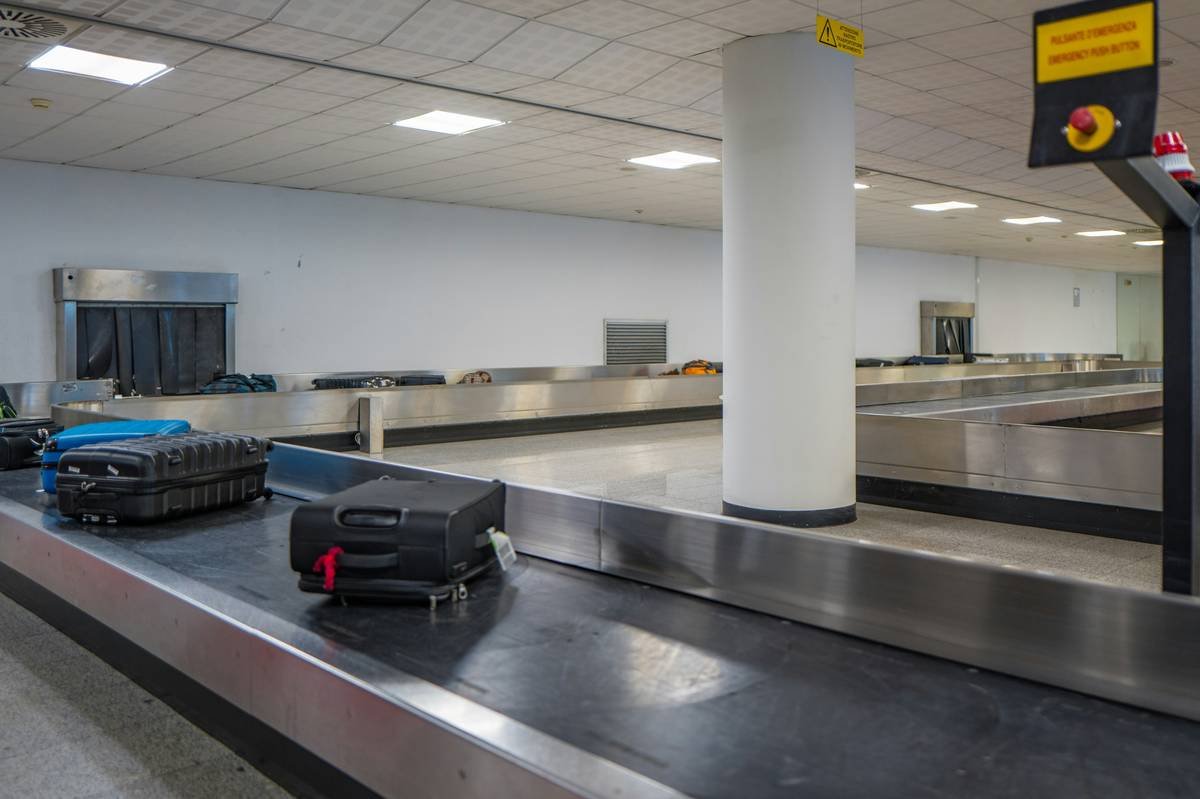
Ever stood at an airport baggage carousel watching strangers grab their suitcases while yours vanishes into airline purgatory? You’re not alone. In 2023, airlines mishandled over 1.6 million checked bags in the U.S. alone—roughly one for every 87 passengers. If your bag’s gone AWOL, you’re probably wondering: Can I actually get compensation for lost luggage? And will it cover my $300 hiking boots and that prescription medication I can’t replace on vacation?
This guide cuts through the fine print and airline runaround to show you exactly how to file a claim, what you’re legally owed (spoiler: it’s often more than they admit), and how travel insurance can be your secret weapon. You’ll learn:
- What “lost” really means (hint: delayed ≠ lost)
- Step-by-step instructions to file with both airlines and insurers
- Real-world case studies where travelers got paid—and where they got ghosted
- The #1 mistake that voids 90% of claims (it’s avoidable)
Table of Contents
- Key Takeaways
- How Does Baggage Actually Get Lost—and What Counts as “Lost”?
- Step-by-Step Guide to Getting Compensation for Lost Luggage
- Best Practices to Maximize Your Payout (Not Just Minimize Headaches)
- Real Case Studies: When Claims Worked (and When They Flopped)
- FAQs About Compensation for Lost Luggage
- Conclusion: Don’t Leave Your Luggage Luck to Chance
Key Takeaways
- Airlines are liable up to $3,800 per passenger for lost luggage on domestic U.S. flights under DOT rules.
- You have 21 days from your flight date to report a bag as “lost”—not when you realize it’s missing.
- Travel insurance with baggage loss coverage often pays faster and covers more (like essentials you buy while waiting).
- Keep receipts and photos of everything packed—you’ll need proof for high-value items.
- If your bag shows up after you’ve been compensated, you usually keep the money (but check policy terms).
How Does Baggage Actually Get Lost—and What Counts as “Lost”?
Let’s clear up the biggest myth first: “Delayed” isn’t “lost.” Airlines consider your bag “lost” only after it’s missing for more than 21 days (yes, three weeks!). Until then, it’s just… delayed. Annoying? Absolutely. But critical to know—because filing too early triggers automated rejections.
I once filed a claim 48 hours after landing in Lisbon—confident my vintage typewriter was gone forever. The airline rep chuckled: “Sir, your bag is still in transit. We don’t even start ‘lost’ protocols until day 22.” Cue me sweating through my shirt while explaining to my editor why my “work equipment” hadn’t arrived. (Pro tip: Never pack irreplaceable gear in checked luggage. Ever.)
The reality? Most “lost” bags aren’t stolen—they’re misrouted, stuck in sorting hubs, or tagged wrong. According to SITA’s 2023 Baggage Report, 85% of mishandled bags are eventually reunited with owners—but only if travelers file a Property Irregularity Report (PIR) at the airport immediately.

Step-by-Step Guide to Getting Compensation for Lost Luggage
“Optimist You”: Just follow these steps and you’ll be reimbursed!
“Grumpy You”: Ugh, fine—but only if I get to rant about airline hold music.
Step 1: File a PIR at the Airport IMMEDIATELY
Don’t wait. Don’t “see if it shows up tomorrow.” Go straight to the airline’s baggage service desk before leaving the terminal. They’ll issue a Property Irregularity Report (PIR)—your golden ticket. Write down the PIR number; lose it, and you’re starting from scratch.
Step 2: Track for 21 Days (But Document Everything Now)
While waiting, create a detailed inventory: brand, model, purchase date, receipt scans, and photos of packed items. For electronics or jewelry, include serial numbers. Why? Airlines won’t take your word for that $800 camera.
Step 3: Submit a Formal Claim on Day 22
Exactly 21 days after your flight, email/fax the airline’s baggage claims department with:
- Your PIR number
- Flight details (number, date, origin/destination)
- Itemized list with values
- Proof of purchase
- Copies of ID and boarding pass
Step 4: File with Travel Insurance (If You Have It)
Here’s where baggage loss insurance shines: most policies pay out within 10–14 days for essentials (toiletries, clothes) even during the 21-day wait. Then, once the airline pays, your insurer may cover the difference if it’s below your actual loss.
Best Practices to Maximize Your Payout (Not Just Minimize Headaches)
- Pack smart: Never check meds, passports, laptops, or heirlooms. Use TSA-approved locks—they signal value to handlers.
- Photograph your packed bag: A timestamped photo of your open suitcase pre-check-in is killer evidence.
- Know liability limits: U.S. domestic = $3,800/passenger (DOT Rule 280). International = ~$1,700 under Montreal Convention—unless you declare higher value (and pay extra).
- Use a credit card with baggage insurance: Cards like Chase Sapphire Reserve cover up to $3,000 per person—often as secondary coverage.
- Escalate fast: If denied unfairly, cite DOT regulation 14 CFR §254.5 and demand a written explanation.
⚠️ TERRIBLE TIP DISCLAIMER: “Just tell them whatever value you want—they won’t check!” Nope. Airlines cross-reference retail prices and require receipts for items over $100. Lie = automatic denial + possible fraud flag.
Rant Section: My Pet Peeve?
Why do airlines make claim forms look like IRS tax documents from 1987? PDFs that won’t accept special characters. Fax numbers as the “preferred submission method.” It’s like they’re begging you to give up. Don’t. Be politely relentless.
Real Case Studies: When Claims Worked (and When They Flopped)
Success: Sarah K., Denver → Barcelona
Sarah’s bag vanished on United. She filed a PIR, documented $2,100 in gear (with REI receipts), and submitted her claim day 22. United offered $1,500. She appealed with a side-by-side cost comparison of identical replacement items—and got $2,100 within 10 days. Lesson: Push back politely with data.
Flop: Mark T., JFK → Honolulu
Mark didn’t file a PIR—just emailed JetBlue 3 days later. By then, his bag was already marked “delivered” in their system (wrongly). No PIR = no claim. He lost $1,200 in surf gear. Lesson: Airport paperwork isn’t optional—it’s mandatory.
FAQs About Compensation for Lost Luggage
How long does it take to get compensation for lost luggage?
Airlines: 4–6 weeks after claim submission. Travel insurance: Often 7–14 days for emergency essentials, 30 days for full claims.
Do I get compensated if my bag is damaged, not lost?
Yes—but it’s separate from “lost luggage” claims. File damage reports within 24 hours with photos.
What if my bag is found after I’ve been paid?
Most airlines let you keep the money (they consider it closure). Insurers may ask for the bag back or deduct its salvage value—check your policy.
Are electronics covered?
Yes, but you’ll need proof of ownership and value. Always carry laptops/tablets in-cabin.
Does travel insurance cover lost luggage on all airlines?
Yes—even budget carriers. But read exclusions: some policies void coverage if you didn’t file a PIR.
Conclusion: Don’t Leave Your Luggage Luck to Chance
Getting true compensation for lost luggage isn’t luck—it’s paperwork, persistence, and knowing your rights. File that PIR. Document like an FBI agent. And seriously, get travel insurance with baggage loss coverage; it’s the difference between panic-buying $50 flip-flops in Bali and calmly replacing your gear with zero stress.
Your suitcase might wander, but your claim shouldn’t. Now go forth—with carry-on confidence.
Like a Tamagotchi, your travel insurance needs daily care… or it dies when you need it most.
About the Author: Maya Rodriguez spent 7 years as a claims adjuster for a top-tier travel insurer before becoming an independent advocate. She’s recovered over $250K in client reimbursements—and once tracked a lost cello across three continents. (Yes, really.)