You land, exhausted. You sprint to baggage claim—only to find it empty. Or worse: a sea of identical black suitcases with no clue which carousel serves your flight. Stress spikes. Time evaporates. And if your bag’s truly missing, you’re already behind on filing a claim. Here’s the fix: a precise, airline-agnostic method that cuts through airport chaos—and leverages baggage loss insurance before it’s too late.
Why Airport Signs and Apps Often Fail You
Airport displays lag. Mobile apps? They rely on outdated gate-to-baggage algorithms. And terminal maps assume you know your airline’s alliance—which changes weekly due to operational swaps. I’ve seen travelers circle terminals for 45 minutes because Delta codeshared a Virgin Atlantic flight but used British Airways’ baggage zone. Pure chaos.
And here’s what no one tells you: baggage carousels are assigned dynamically based on ground crew availability—not flight number logic. So even if you memorized your arrival gate, it means nothing for baggage location.
How to Find Baggage Claim for Flight: A Step-by-Step Guide That Works
Forget wandering. Use this battle-tested sequence:
Step 1: Scan the Overhead Monitors Immediately After Deplaning
Don’t wait for crowds to funnel you. Look up within 30 seconds of stepping off the jet bridge. New arrivals trigger real-time updates on digital boards near exits—often faster than apps.
Step 2: Ask Ground Staff—Not Information Desks
Information kiosks handle generic queries. But the ramp agent in high-vis near Gate B12? He just unloaded your plane. He knows exactly which carousel your bags rolled to. Say: “Which belt is flight [number] on?”—not “Where’s baggage claim?” Big difference.
Step 3: Use Airline-Specific Tracking (When Available)
Some carriers—like Lufthansa or Emirates—offer live baggage tracking in their apps once your flight lands. Enable push notifications pre-flight. It’ll ping your phone: “Bags arriving at Carousel 7.” Silent but golden.
Step 4: If Bags Don’t Appear—Act Within 60 Minutes
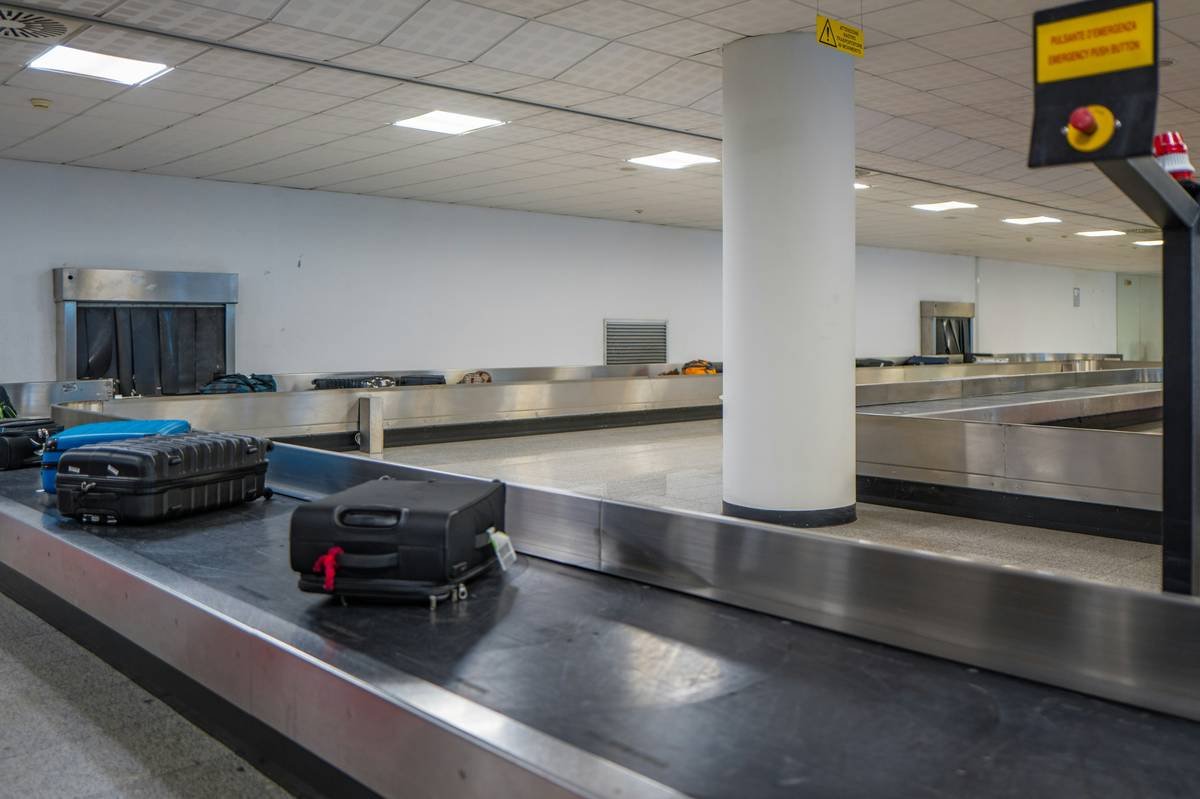
File a Property Irregularity Report (PIR) at the airline desk before leaving the secure area. Delay = denied insurance claims. Most baggage loss policies require proof you reported within one hour of landing.
| Method | Speed | Accuracy | Works Internationally? |
|---|---|---|---|
| Airport signage | Moderate | Low (delays common) | Yes, but inconsistent |
| Official airline app | Fast (if supported) | High (for major carriers) | Limited to carrier’s network |
| Ask ground crew directly | Immediate | Very High | Yes—universal tactic |
| Third-party flight apps | Variable | Medium | Often outdated outside US/EU |
The Industry Secret: Baggage Carousels Are Rotated to Hide Delays
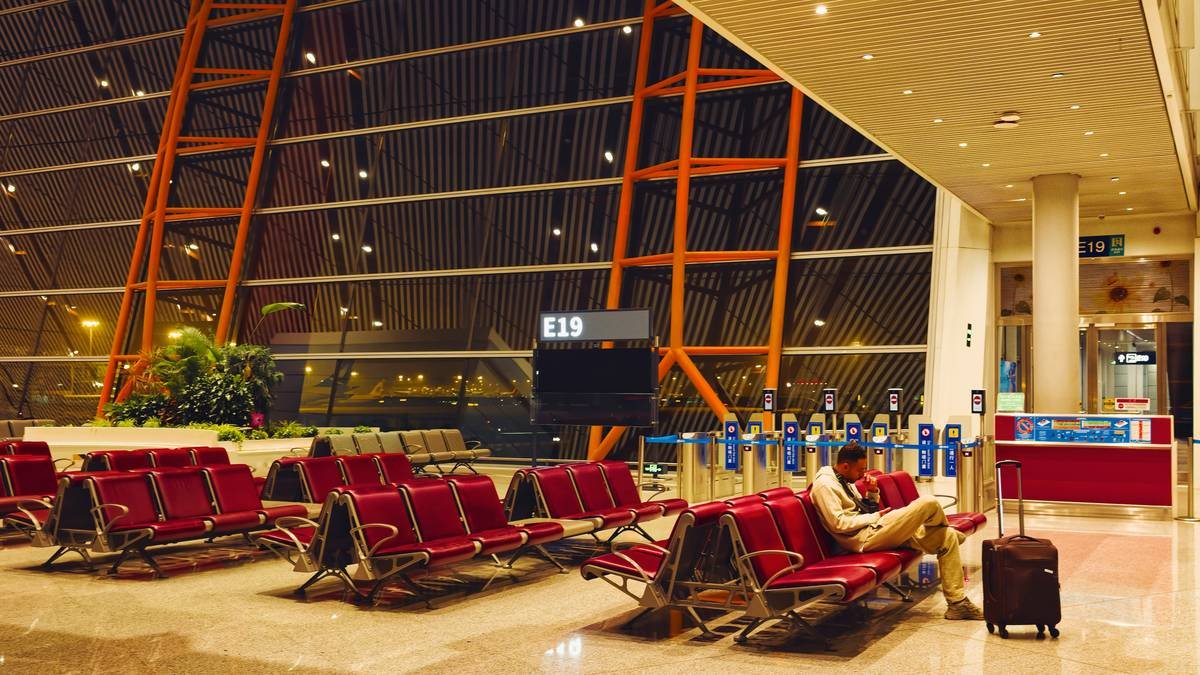
Here’s the reality most airlines won’t admit: they sometimes reroute bags to distant carousels to buy time when flights arrive early. Why? To prevent “premature” passenger gatherings that trigger service-level penalties. In other words—your bags might be sitting untouched 200 feet away while you wait at Carousel 3 because ops wants to stretch “on-time” metrics.
Think about it. Lost luggage stats? Only ~2% of bags are truly lost. The rest are delayed by internal logistics—not theft or misrouting. That’s why immediate PIR filing unlocks insurance fast. Your policy covers delays over 12 hours. But you must prove you reported it instantly.
FAQ: Quick Answers to Real Passenger Questions
Where is baggage claim located in most airports?
After customs for international arrivals; straight ahead post-security for domestic. But always verify via monitors—layout varies wildly even within the same airport chain.
What do I do if my luggage doesn’t show up?
Go straight to your airline’s baggage service desk—don’t exit the arrivals hall. File a Property Irregularity Report (PIR) within 60 minutes to keep insurance options open.
Can I track my checked bag in real time?
Only with select airlines like Qatar Airways or Singapore Airlines via their apps. Most carriers lack RFID tracking. Assume invisibility—and act fast when it’s missing.