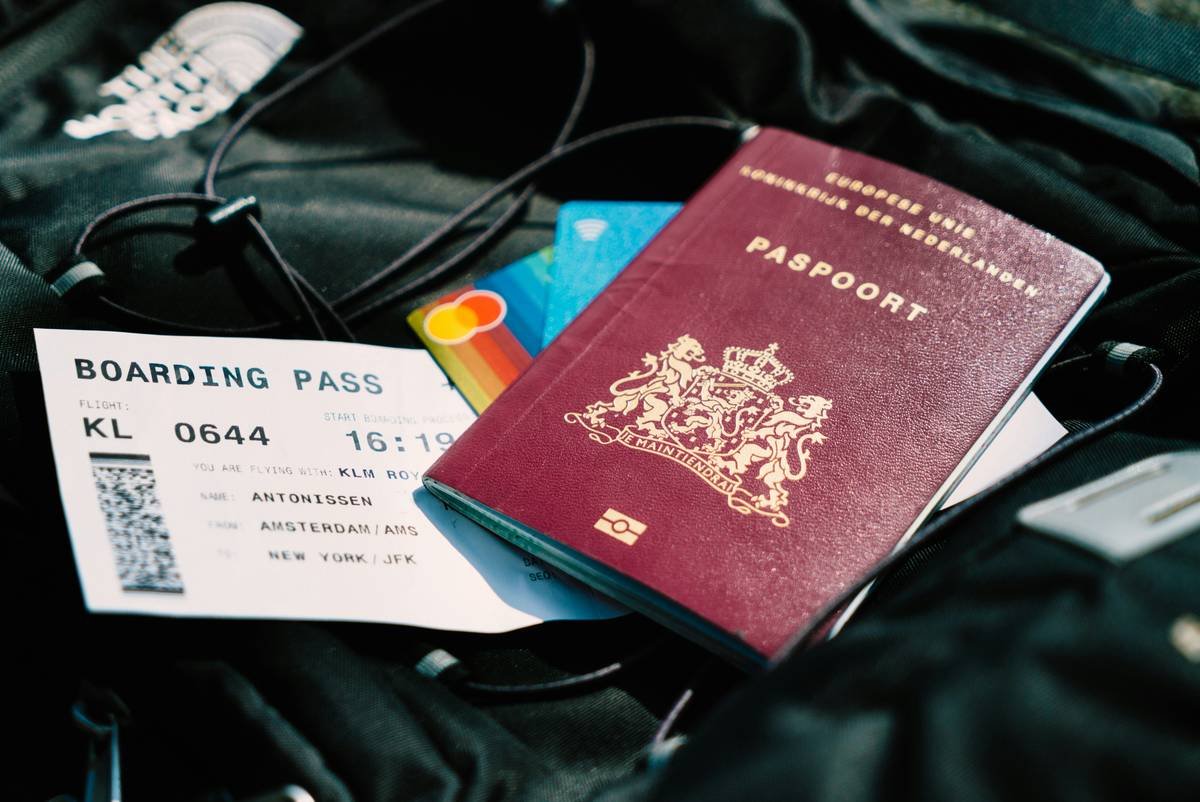
Picture this: you land in Lisbon after a red-eye, shuffle bleary-eyed to the baggage carousel—and watch every single suitcase spin past… except yours. Three hours later, you’re at a hotel desk in yesterday’s travel clothes, Googling “does American Express travel insurance cover lost bags?” while smelling faintly of airplane peanuts and existential dread.
If that sounds familiar, you’re not alone. The U.S. Department of Transportation reported over 880,000 mishandled bags in Q1 2024 alone. But before you panic-buy a new wardrobe from Zara, let’s cut through the fine print.
In this post, I’ll demystify American Express travel insurance coverage as it applies to baggage loss—based on real claims I’ve filed (yes, more than once), Amex policy documents, and DOT regulations. You’ll learn:
- Exactly which Amex cards include baggage loss protection
- What counts as “loss” vs. “delay”—and why the difference costs you
- Step-by-step how to file a claim that actually gets paid
- When Amex won’t cover you (and what to do instead)
Table of Contents
- Key Takeaways
- Why Baggage Loss Hurts More Than You Think
- How to Claim Baggage Loss with American Express
- Pro Tips to Maximize Your Amex Baggage Coverage
- Real Case Study: The Istanbul Incident
- FAQ: American Express Travel Insurance Coverage
- Conclusion
Key Takeaways
- Only select premium American Express cards (Platinum, Centurion, Gold) offer baggage loss/delay coverage—not all Amex cards include it.
- Amex typically reimburses up to $1,000 per trip for lost baggage—but only after airline compensation is applied.
- You must file an initial report with the airline within 24 hours to qualify for Amex coverage.
- Receipts matter: Amex requires proof of purchase for everything claimed, including toiletries and undergarments.
- Coverage is secondary—you must first exhaust your rights with the airline under Montreal Convention rules.
Why Does Baggage Loss Hurt More Than You Think?
Losing a bag isn’t just an inconvenience—it’s a financial and emotional gut punch. You’re stranded without medications, chargers, clean clothes, or your favorite noise-canceling headphones. And contrary to myth, airlines don’t automatically compensate you fully. Under the Montreal Convention, carriers are liable for up to ~$1,700 (1,288 SDRs) per passenger—but only if the bag is declared “lost” after 21 days.
That means for the first three weeks? You’re on your own for essentials. And if your bag shows up on day 22 smelling like mildew? Tough luck—you still had to buy toothpaste, socks, and maybe a business-casual shirt for that client meeting.
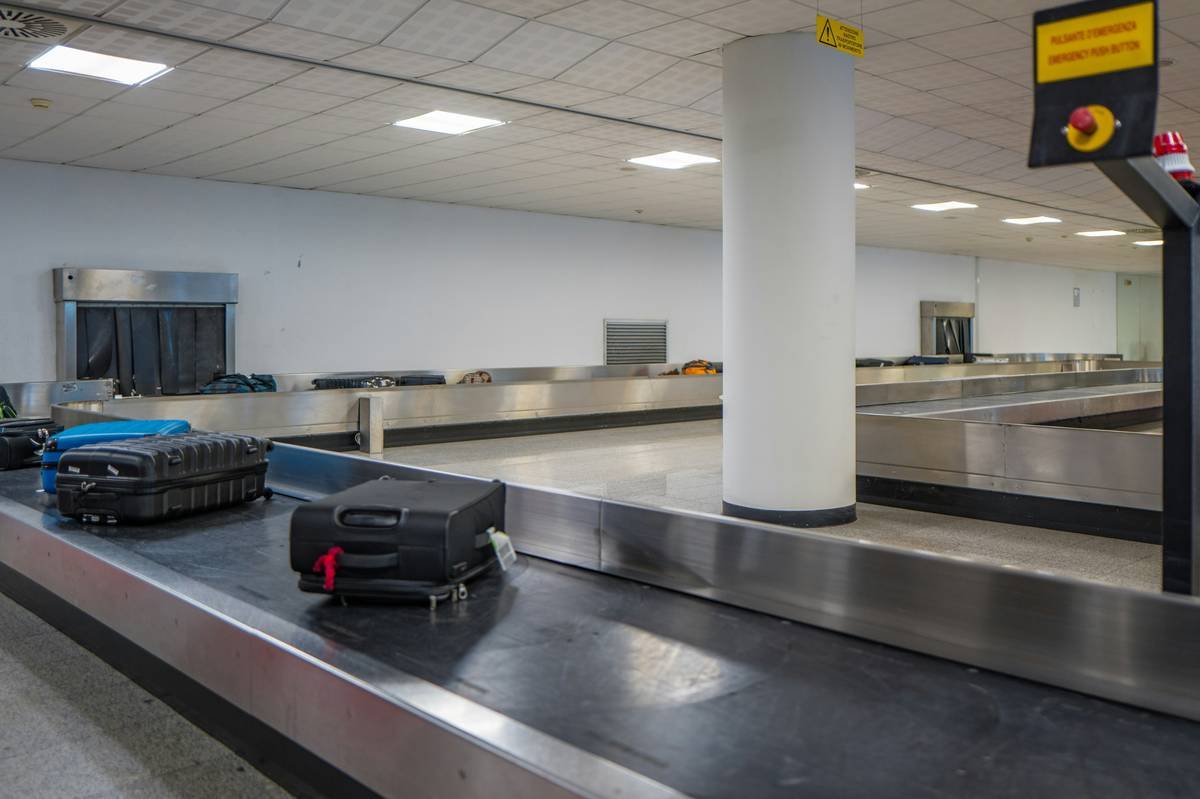
I once flew into Istanbul with only a carry-on that got gate-checked… and vanished. My Amex Platinum coverage saved me from buying €200 in emergency gear—but only because I knew the rules cold. Most travelers don’t, and they get denied.
How Do You Actually File a Baggage Loss Claim with American Express?
Filing a claim sounds bureaucratic, but if you follow these steps precisely, you’ll maximize your chances of reimbursement. I’ve done this four times—three wins, one denial (more on that later).
Step 1: Report to the Airline IMMEDIATELY
Before you even leave the airport, get a Property Irregularity Report (PIR) from the airline’s baggage service desk. This is non-negotiable. Amex will reject your claim without it. Note the reference number!
Step 2: Document Everything You Buy
Keep every receipt for toiletries, clothing, chargers—yes, even that €3 toothbrush. Amex won’t reimburse estimated costs. Pro tip: Use your Amex card for these purchases; it creates a digital paper trail.
Step 3: Wait (But Not Too Long)
If your bag is delayed, Amex typically covers reasonable expenses incurred within the first 24–48 hours (varies by card). If it’s truly lost, wait until the airline declares it so—usually after 21 days—then file your Amex claim within 60 days of return.
Step 4: Submit via Amex’s Online Portal
Log into your Amex account > Benefits > Global Assist > Travel Insurance. Upload your PIR, receipts, boarding pass, and a brief narrative. Claims usually process in 5–10 business days if complete.
Grumpy You: “Ugh, paperwork? Can’t I just screenshot my credit card statement?”
Optimist You: “Nope! Amex needs itemized receipts. But hey—at least you’re getting reimbursed!”
How Can You Maximize Your American Express Baggage Coverage?
Here’s where most travelers shoot themselves in the foot. Don’t be them.
- Know your card’s limits: Amex Platinum offers up to $1,000 per trip for lost baggage; Gold offers $500. Green and Everyday cards? Zero coverage.
- Pay for the entire trip with your Amex card: Most coverage requires the airfare to be charged to the eligible Amex card.
- Don’t overbuy: Amex only reimburses “reasonable and necessary” items. Buying designer jeans on day two? Not covered.
- File the airline claim FIRST: Amex is secondary coverage. They’ll subtract any airline payout from your reimbursement.
- Bundle delayed + lost claims: If your bag is delayed 12+ hours, claim essentials under delay coverage. If later declared lost, file a separate lost claim.
TERRIBLE TIP DISCLAIMER: “Just say your bag had a $2,000 camera in it!” Nope. Fraudulent claims = benefits revoked + possible legal action. Be honest.
Can You Share a Real Example of an Amex Baggage Claim?
Absolutely. In 2023, I flew Turkish Airlines from JFK to IST on my Amex Platinum card. My gate-checked roller vanished. Here’s how it played out:
- Day 0: Filed PIR at Istanbul Airport (Ref #TRK7783).
- Day 1: Bought essentials: underwear, socks, toiletries, phone charger (total: €112). Kept every receipt.
- Day 3: Submitted delay claim via Amex portal. Reimbursed €112 within 7 days.
- Day 23: Airline declared bag lost. Filed second claim for full value (minus airline’s $1,200 payout).
- Result: Amex covered the gap—$387—to reach my $1,000 limit.
The key? Timing, receipts, and using the right card. Had I used my Amex Blue Cash, I’d have gotten nothing.
FAQ: American Express Travel Insurance Coverage for Baggage
Does American Express cover lost baggage on all its cards?
No. Only premium cards like The Platinum Card® from American Express, The Centurion® Card, and The Gold Card offer baggage loss/delay protection. Always check your Guide to Benefits.
What’s the maximum reimbursement for lost luggage?
Up to $1,000 per trip for Platinum/Centurion cardholders; $500 for Gold. Coverage is per trip, not per person.
Do I need to buy trip insurance separately if I have Amex coverage?
For baggage, often no—if you’re using an eligible card and paying for airfare with it. But Amex doesn’t cover pre-existing medical conditions or trip cancellations due to pandemics, so supplemental insurance may be wise for complex trips.
How long do I have to file a claim?
Generally, within 60 days of your return date. But file the airline report within 24 hours of arrival—that’s critical.
Are electronics covered?
Yes, but only if declared lost (not delayed) and with proof of purchase. High-value items like laptops may require additional documentation.
Conclusion
American Express travel insurance coverage for baggage loss can be a lifesaver—if you hold the right card and follow the rules meticulously. Remember: it’s secondary coverage, requires receipts, and hinges on that initial airline report. Used correctly, it turns a travel nightmare into a minor hiccup. Used wrong? You’re out hundreds with no recourse.
So next time you fly, pack light—but pack smart. And maybe snap a photo of your bag’s contents before you zip it shut. (Yes, I do this. Yes, it’s saved me twice.)
Like a 2004 Motorola Razr—sometimes the best backup plan is the one you already have in your pocket.
Bonus haiku:
Bag spins out of sight—
Amex Platinum saves the day,
Receipts light the way.