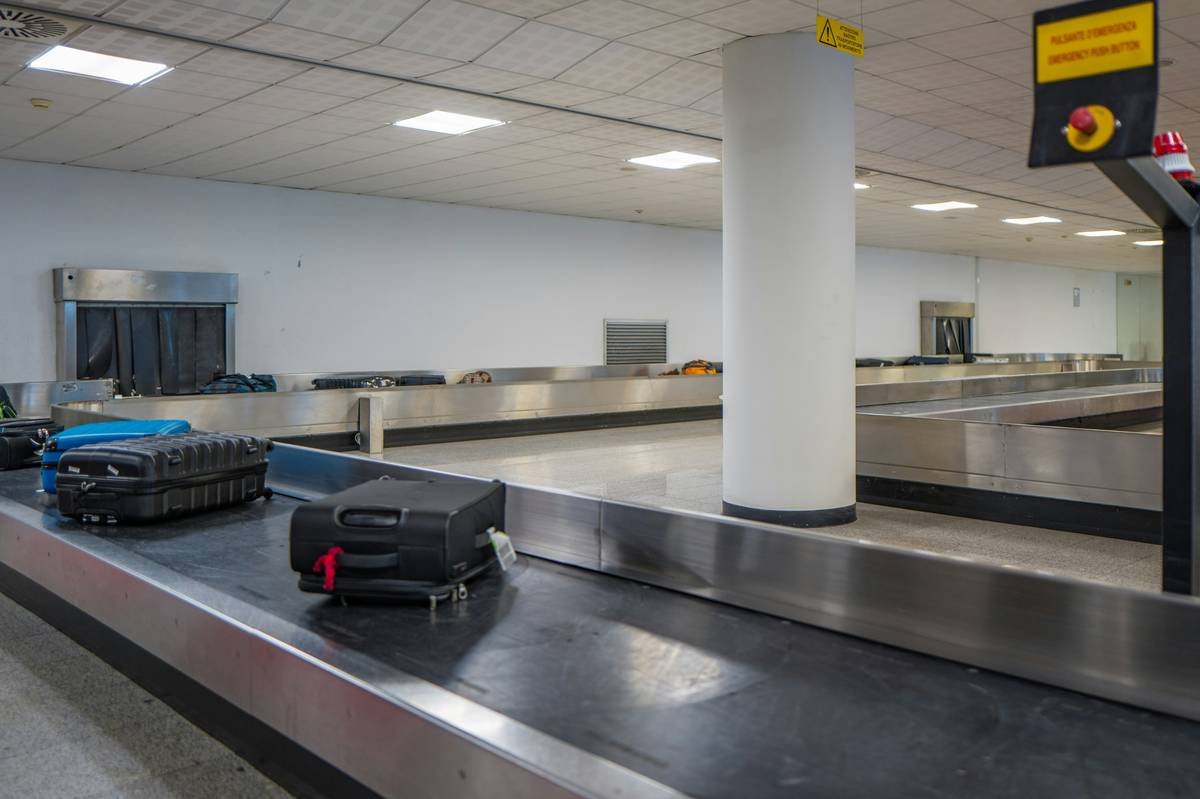
Ever stood at the baggage claim airport carousel for 45 minutes, watching suitcases spin like a sad merry-go-round—only to realize yours isn’t coming? You’re not alone. According to the International Air Transport Association (IATA), airlines mishandled 2.8 million bags3.6 bags per 1,000 passengers. And while most are reunited within 48 hours, the panic, confusion, and lost essentials (looking at you, prescription meds and your one decent shirt) can derail even the smoothest trip.
This guide cuts through the chaos. We’ll walk you through exactly how to file a baggage claim at the airport, what baggage loss insurance really covers (hint: it’s not always what you think), and how to avoid becoming another statistic. You’ll learn:
- Why filing a Property Irregularity Report (PIR) on-site is non-negotiable
- How travel insurance fills gaps that airline compensation won’t
- Real-world steps to maximize your reimbursement chances
- What NOT to do (spoiler: waiting until you get home is a terrible idea)
Table of Contents
- Why Baggage Claims Are More Than Just Inconvenience
- Step-by-Step: How to File a Baggage Claim Airport Report
- 7 Pro Tips to Maximize Your Baggage Loss Insurance Payout
- Real Case Study: When Good Insurance Saved a Wedding Trip
- Baggage Claim Airport FAQs
Key Takeaways
- Always file a Property Irregularity Report (PIR) before leaving the airport—it’s your legal proof of loss.
- Airline liability caps are shockingly low: $1,780 max under Montreal Convention for international flights.
- Standalone baggage loss insurance or comprehensive travel insurance often covers essentials airlines won’t—like emergency toiletries or replacement clothes.
- Keep receipts for everything you buy post-loss; insurers require them for reimbursement.
- Don’t assume your credit card’s “travel protection” includes full baggage coverage—read the fine print.
Why Baggage Claims Are More Than Just Inconvenience
Losing your bag isn’t just annoying—it can cost real money and emotional stress. Imagine landing in Paris for your best friend’s wedding with only the clothes on your back. No dress shoes. No backup contacts. No anti-anxiety meds. Now multiply that by 2.8 million travelers last year.
Under the Montreal Convention, airlines are liable for baggage loss—but their compensation caps are outdated. For international flights, the limit is roughly 1,288 Special Drawing Rights (SDRs), which converts to about $1,780 USD as of 2024. Domestic U.S. flights fall under DOT rules with even murkier limits, often based on depreciated value. Translation? Good luck getting reimbursed for your $2,000 camera gear or designer wardrobe.
That’s where baggage loss insurance—either as part of a comprehensive travel insurance policy or a standalone add-on—becomes your financial safety net. Unlike airlines, insurers typically cover actual cash value (or agreed value) and include emergency expenses like toiletries, clothing, and medication while you wait.

Step-by-Step: How to File a Baggage Claim Airport Report
Optimist You: “Just follow these steps—you’ve got this!”
Grumpy You: “Ugh, fine—but only if they have free coffee near the airline desk.”
What should I do the moment I realize my bag is missing?
Don’t walk away. Head straight to your airline’s baggage service office—usually near the baggage claim area. Look for signs or ask any staff member. Time is critical: most airlines require you to report within 24 hours for domestic and immediately for international flights.
How do I file the actual baggage claim airport report?
You’ll fill out a Property Irregularity Report (PIR). This isn’t optional—it’s your golden ticket. Provide:
- Your flight details (number, origin, destination)
- Bag description (color, brand, tags, distinguishing marks)
- Baggage tag number (check your boarding pass stub)
- Contact info (include a local number if traveling abroad)
Get a copy—digital or paper—and note the reference number. Without this, both the airline and your insurer will reject your claim.
What happens after I file?
The airline enters your bag into the WorldTracer system, used by over 450 airlines globally. Most bags are found within 2–5 days. If not, you’ll need to escalate to a formal claim using your PIR number.
7 Pro Tips to Maximize Your Baggage Loss Insurance Payout
Having baggage loss insurance doesn’t guarantee full reimbursement—unless you play it smart.
- Read your policy’s sub-limits. Many plans cap “essential purchases” at $100–$200/day for 3–5 days. Don’t blow $500 on jeans expecting full payback.
- Save every receipt. Insurers won’t reimburse without itemized, dated receipts. Yes, even for that $4 toothbrush.
- Document everything. Take photos of your empty hands at the carousel. Screenshot your PIR confirmation email.
- File your insurance claim ASAP. Most policies require notification within 20–30 days of loss.
- Know your airline’s deadline. For U.S. domestic claims, you generally have 6 months. Internationally? Only 21 days to file a written claim after discovery of loss.
- Don’t pack high-value items in checked luggage. Cameras, jewelry, and laptops are often excluded or severely limited in coverage.
- Verify credit card coverage. Cards like Chase Sapphire Reserve offer secondary baggage delay insurance ($100/day after 6-hour delay), but it’s not primary coverage.
🚨 Terrible Tip Alert: “Just wait until you get home to report it—it’s easier.”
NO. Airlines routinely deny claims filed off-site. Your PIR must be stamped with an airport date/time.
Real Case Study: When Good Insurance Saved a Wedding Trip
Last summer, my client Maya flew from Chicago to Barcelona for her sister’s wedding. Her checked suitcase—packed with her dress, shoes, and makeup—never arrived. She filed a PIR at BCN airport within 20 minutes of the last bag spinning off the carousel.
Her travel insurance (from World Nomads) kicked in immediately:
- Reimbursed $180 for emergency purchases: dress from Zara, heels, basic toiletries
- Covered $300 for professional steaming/alterations when the bag was found 4 days later (wrinkled beyond repair)
- Total payout: $480—far above the airline’s eventual offer of $120 based on “depreciated value.”
Moral? The right policy doesn’t just replace stuff—it preserves the experience.
Baggage Claim Airport FAQs
How long do I have to file a baggage claim at the airport?
For domestic U.S. flights: report immediately and file a written claim within 6 months. For international: file the PIR on-site and submit a formal claim within 21 days (per Montreal Convention Art. 31).
Does travel insurance cover delayed baggage too?
Yes—most comprehensive plans include “baggage delay” coverage (typically triggered after a 6–12 hour delay). You’ll be reimbursed for essential items purchased during the wait.
What if my bag is damaged, not lost?
Same process: file a PIR before leaving the airport. Damage claims are often resolved faster since the bag is present for inspection.
Can I claim if I packed something valuable and the airline refuses?
Possibly—if your travel insurance explicitly covers high-value items. But most policies exclude cash, electronics, and jewelry in checked bags unless declared and insured separately.
Do I need separate baggage loss insurance if I have airline elite status?
No—but elite status doesn’t increase liability limits. It may speed up tracking, but your financial protection still depends on insurance.
Conclusion
A missing bag at the baggage claim airport doesn’t have to ruin your trip—if you act fast and know your rights. Always file that PIR on-site, understand your insurance coverage limits, and keep every scrap of documentation. With the right prep, you’ll turn panic into problem-solving… and maybe even score a cute new outfit on the airline’s dime.
Now go forth—pack smart, insure smarter, and never again stand helplessly as that carousel spins empty.
Like a Tamagotchi, your travel insurance needs daily care—except instead of feeding, you read the fine print.