Ever landed in a foreign country only to realize your luggage took a detour without you? Yeah, us too. But here’s the kicker—your travel insurance might not cover it.
In this guide, we’ll dive deep into baggage loss exclusions, explain why they matter more than you think, and arm you with tips to avoid getting blindsided by fine print. You’ll learn:
- Why baggage loss exclusions are a sneaky pitfall for travelers.
- How to pick the right policy that actually protects you.
- Tips to minimize risks while traveling.
Table of Contents
- Key Takeaways
- The Harsh Reality of Baggage Loss Exclusions
- Steps to Evaluate Your Travel Insurance Policy
- 5 Tips to Avoid Common Baggage Issues
- Real-Life Example: How One Traveler Got Burned
- FAQs About Baggage Loss Exclusions
Key Takeaways
- Most travel insurance policies have baggage loss exclusions that limit coverage.
- Certain items like jewelry, electronics, or valuables above a specific value often aren’t covered.
- Reading the fine print can save you from unexpected costs during trips.
- Precautionary measures like packing smart and tracking your bags help reduce risk.
The Harsh Reality of Baggage Loss Exclusions
You probably bought travel insurance thinking you’re completely protected against mishaps. Well… surprise! Those shiny brochures and online ads gloss over one ugly truth: baggage loss exclusions.

I once traveled to Bali, ecstatic about my adventure until I realized my checked bag never made it off the plane. My first instinct? File a claim with my insurer. That’s when things got messy. Buried in paragraph seven of tiny legal text was a clause stating “high-value electronics” weren’t covered. Guess what happened next? Yep—my $2,000 camera went unreimbursed.
“Optimist You:” *’At least you had fun otherwise!’*
“Grumpy Me:” *’Yeah, sure—but now I have no photos to prove it.’*
Steps to Evaluate Your Travel Insurance Policy
Not all policies are created equal. Here’s how to dig through the legalese and find out if yours has your back:
Step 1: Check What’s Covered (And What Isn’t)
– Look for sections titled “Exclusions” or “Coverage Limits.”
– Pay special attention to categories like:
- Fragile items
- Valuables over X amount (usually around $500-$1,000)
- Items left unattended
- Dangerous activities (think skydiving)
Step 2: Verify Per-Item Caps
If your laptop costs $1,500 but the per-item cap is $500, you’re only getting partial reimbursement—ouch.
Step 3: Read Reviews Carefully
Look up third-party reviews on sites like Trustpilot or Reddit to see real complaints about baggage claims.
5 Tips to Avoid Common Baggage Issues
Yes, some stuff falls outside of coverage. But there are ways to sidestep trouble entirely:
- Pack Smart: Keep essentials like meds, chargers, and a change of clothes in your carry-on.
- Avoid Overloading Valuables: Pack light and leave irreplaceable items at home.
- Use Tracking Devices: Products like Tile or AirTags let you monitor your luggage location.
- Invest in Durable Luggage: Because duct tape fixes everything—except torn zippers.
- Skip Cheap Policies: A budget plan may seem appealing, but skimping could cost you big time later.
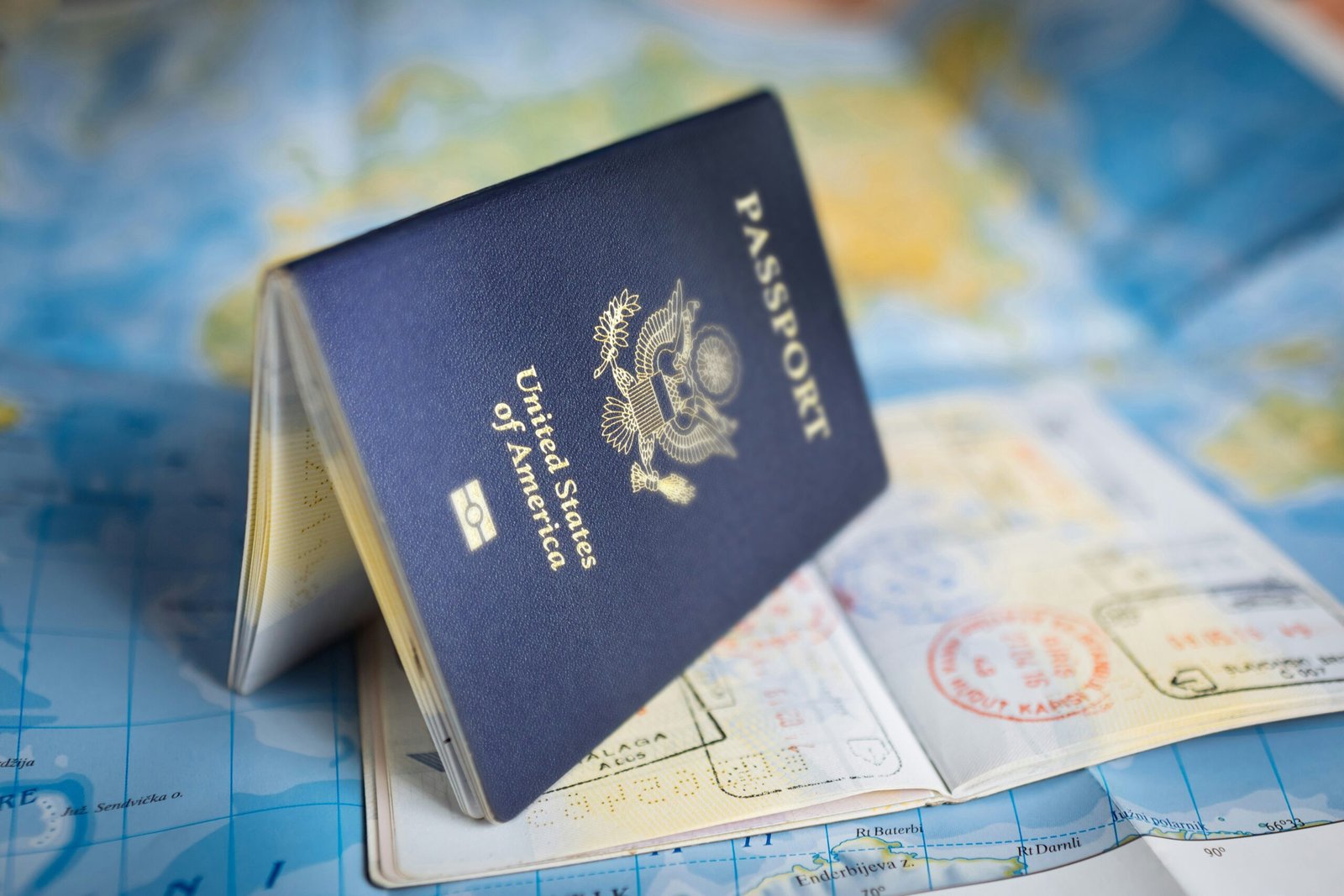
Real-Life Example: How One Traveler Got Burned
Meet Sarah, who thought she’d done everything right before her European vacation. She even splurged on premium travel insurance. Then disaster struck—her suitcase disappeared mid-flight.
After filing a claim, Sarah found herself stuck because her expensive hiking boots were classified as “sporting equipment,” which fell under her policy’s baggage loss exclusions. Her takeaway? Always scrutinize exclusions ahead of time.
FAQs About Baggage Loss Exclusions
What does baggage loss exclusion mean?
It refers to limitations within a travel insurance policy where certain types of lost or damaged items aren’t eligible for compensation.
Are electronics covered in baggage loss?
It depends. Many policies exclude high-value electronics or impose lower caps on payouts.
Can I add extra coverage for expensive items?
Some insurers offer riders or upgrades for additional fees, so ask upfront!
Is theft covered differently than baggage delays?
Yes. Theft typically requires proof and immediate reporting, whereas delays focus on replacing necessities temporarily.
Do all airlines reimburse for lost luggage?
Nope. Airlines usually pay based on weight limits or depreciated values, making insurance crucial.
Conclusion
By understanding baggage loss exclusions, you gain peace of mind—and potentially thousands saved in claims. Remember to vet your policy carefully, pack wisely, and stay vigilant. And hey, if nothing else sticks, just promise yourself you won’t check anything you can’t live without.
Like a Tamagotchi, your travel plans need daily love and care—so don’t skip the small details!